LLP Registration in India: A Comprehensive Guide to LLP Company Formation and Incorporation
In today’s dynamic business environment, choosing the right legal structure is crucial for long-term success and operational flexibility. Among the most popular structures for professionals and entrepreneurs is llp registration in india. A Limited Liability Partnership (LLP) combines the advantages of a partnership firm with the benefits of limited liability, making it an ideal choice for small and medium-sized enterprises. Whether launching a new business or shifting from a traditional partnership, llp company registration in india provides a structured and efficient model for compliance and growth.
Overview of LLP Registration in India
A Limited Liability Partnership is an independent legal entity enabling partners to operate a business with limited liability protection. This means that each partner’s liability is restricted to their agreed contribution, safeguarding personal assets from business risks. The framework of llp incorporation in india was designed to ensure flexibility in operations while maintaining legal validity.
In contrast to traditional partnerships, an LLP has perpetual succession, allowing it to exist regardless of partner changes. It further permits partners to establish roles and duties through an LLP agreement, ensuring clarity and minimising disputes. This structure is especially advantageous for service providers, consultants, and startups looking for a cost-efficient and credible model.
Important Features of LLP Company Registration in India
The appeal of llp company registration in india lies in its mix of flexibility and legal protection. One of its primary features is limited liability, which protects partners from being personally responsible for business debts. This creates a secure environment for investment and expansion.
Another significant feature is the ease of management. Unlike companies, LLPs are not required to maintain extensive compliance structures such as board meetings or shareholder meetings. This lowers administrative effort, allowing partners to concentrate on business activities.
Furthermore, LLPs have an independent legal identity, allowing them to hold assets, sign contracts, and function separately from partners. The structure also supports a flexible profit-sharing ratio, which can be customised according to mutual agreement among partners.
Advantages of LLP Registration in India
Choosing llp registration in india offers multiple benefits, making it a popular option for businesses. One of the most notable benefits is reduced compliance requirements compared to private limited companies. This makes LLPs easier to manage, especially for small businesses and startups.
Another advantage is cost efficiency. The llp incorporation in india process usually requires lower setup and maintenance costs, making it ideal for entrepreneurs with limited funds. At the same time, it provides legal recognition, boosting credibility among stakeholders.
LLPs benefit from simpler taxation structures. In contrast to companies, LLPs avoid dividend distribution tax and are taxed once at the entity level. This enables better allocation of financial resources.
Furthermore, LLPs enable adaptable decision-making structures. Partners can manage internal operations flexibly, avoiding rigid regulations and improving efficiency.
Requirements for LLP Incorporation in India
To initiate llp incorporation in india, specific requirements must be met. A minimum of two partners is mandatory, while there is no cap on the number of partners. One designated partner must be an Indian resident to ensure compliance.
Partners may be individuals or companies, allowing flexible ownership arrangements. Each designated partner must ensure compliance and submit required filings.
A valid registered office is essential for official correspondence. Additionally, digital signatures and identification numbers are required for documentation and compliance.
How to Register an LLP in India
The llp company registration in india process is simplified and can be completed smoothly with proper documentation. The first step involves obtaining digital signatures for designated partners, followed by applying for identification numbers.
Once prerequisites are met, a unique name must be reserved for the LLP. The name must follow guidelines and should not duplicate existing entities.
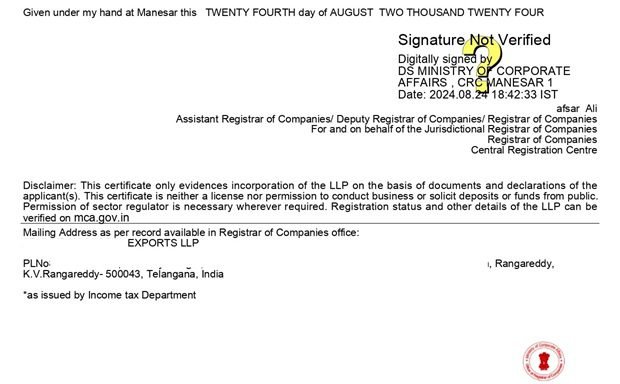
After name approval, incorporation documents are prepared and submitted, including details of partners, registered office, and business activities. After verification, the LLP is registered and receives a certificate of incorporation.
The final step involves drafting and filing the LLP agreement, which outlines the rights, duties, and profit-sharing arrangements among partners. This document forms the basis for operations and governance.
Compliance and Legal Responsibilities
While LLPs have reduced compliance compared to companies, they must still meet legal requirements. LLPs must maintain financial records and submit annual returns.
LLPs may be subject to audits and tax rules depending on turnover. Timely filing of documents ensures that the business remains legally llp incorporation in india compliant and avoids penalties.
Designated partners play a crucial role in ensuring that all statutory requirements are met. Their responsibilities include maintaining transparency, filing necessary forms, and adhering to applicable laws and regulations.
Why Choose LLP for Your Business
The rising demand for llp incorporation in india highlights modern business requirements. Offering flexibility and protection, LLP is suitable for efficient business growth.
For startups and professionals, LLP provides an opportunity to establish a credible business entity without the complexities of corporate structures. It enables focus on growth while ensuring legal security.
Furthermore, LLPs are suitable for a wide range of industries, including consulting, technology services, trading, and small-scale manufacturing. This flexibility makes them suitable for different business models.
Final Thoughts
Selecting the appropriate business structure significantly affects operations, compliance, and growth. llp registration in india offers a balanced approach by combining the advantages of partnership flexibility with the security of limited liability. Due to its efficiency and credibility, llp company registration in india is widely preferred. By understanding the process, benefits, and compliance requirements, businesses can leverage llp incorporation in india to build a strong and sustainable foundation for future growth.